Wound Care at Home: What Patients and Families Should Know
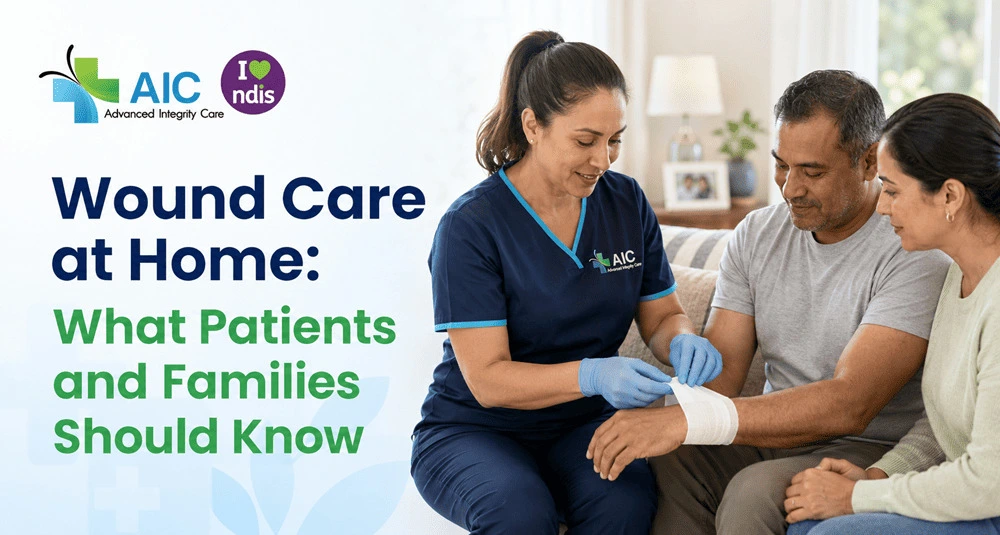
Wound Care at Home: What Patients and Families Should Know: Proper wound care at home plays an important role in helping people recover comfortably while reducing the risk of complications. For many patients across New South Wales (NSW), receiving professional support at home allows them to manage wounds safely without frequent hospital visits. At Advanced Integrity Care - NSW, personalised care focuses on improving healing outcomes through skilled assistance, regular monitoring, and patient-focused support.
Whether a wound develops after surgery, an injury, pressure-related skin damage, or a chronic health condition, understanding the right care approach can make a significant difference. However, every wound is different, and it requires proper attention based on its condition, size, and healing progress.
Why Professional Wound Care at Home Matters
A wound may look simple on the outside, but improper handling can delay recovery. Home wound care services provide patients with the support they need while allowing them to remain in a familiar environment.
Additionally, professional carers and healthcare providers can identify early signs of infection, suggest suitable wound management techniques, and ensure dressings are changed correctly. Get details on Wound Care Service in NSW.
Some key benefits of wound care at home include:
- Comfortable recovery in a familiar place
- Reduced risk of infection
- Regular wound assessment
- Personalised care plans
- Better management of chronic wounds
- Support for elderly and mobility-limited patients
Essential Steps for Safe Wound Care at Home
1. Keep the Wound Clean
Cleaning is one of the most important parts of home wound management. Before touching a wound, hands should always be washed properly. Clean equipment and fresh dressings help reduce exposure to harmful bacteria.
However, avoid using strong chemicals or home remedies unless advised by a healthcare professional because they may irritate the healing tissue.
2. Change Dressings Correctly
A dressing protects the wound from dirt, bacteria, and further injury. The frequency of dressing changes depends on the wound type and healthcare recommendations.
Moreover, using the correct dressing material helps maintain a suitable healing environment.
3. Monitor Changes Regularly
Patients should observe the wound daily and look for changes. Early identification of problems can prevent serious complications.
Signs that require medical attention may include:
- Increasing redness around the wound
- Swelling or unusual warmth
- Pus or unpleasant odour
- Increased pain
- Fever or feeling unwell
Factors That Affect Wound Healing
Healing speed can vary from person to person. Several lifestyle and health factors influence recovery.
| Factor | Impact on Healing |
|---|---|
| Nutrition | Protein, vitamins, and minerals support tissue repair |
| Age | Older adults may require longer healing periods |
| Diabetes Control | High blood sugar can slow recovery |
| Mobility | Movement supports circulation and healing |
| Infection Prevention | Reduces delays in recovery |
Additionally, staying hydrated, following medical advice, and attending regular reviews can improve healing results. Looking for a Medication Management Service in NSW?
Wound Care Support for Elderly Patients
Older adults often need extra assistance with wound care at home due to reduced mobility, fragile skin, or existing health concerns. Simple daily tasks can become challenging without proper support.
Therefore, professional home care assistance helps elderly patients maintain hygiene, follow treatment plans, and feel more confident during recovery.
Comparing Self-Care and Professional Wound Care
| Self-Care Approach | Professional Home Care |
|---|---|
| Suitable for minor wounds | Suitable for complex or ongoing wounds |
| Limited wound assessment | Regular professional monitoring |
| Risk of incorrect dressing methods | Correct wound management techniques |
| Requires patient confidence | Provides skilled healthcare support |
While minor wounds may heal with basic care, complex wounds often need expert guidance for better outcomes.
Related Posts:
» Medication Management Support in NSW: Safer Care at Home
» How Wound Care at Home in NSW Can Support Faster Recovery?
» How Professional Medication Support Reduces Health Risks?
» Medication Management Support in NSW: Safer Care at Home
» How In-Home Wound Care Can Improve Comfort and Recovery?
Why Choose Advanced Integrity Care - NSW?
Managing a wound requires patience, knowledge, and consistency. Advanced Integrity Care - NSW provides compassionate home-based support designed around each individual’s needs.
Furthermore, professional care allows patients to receive attention without leaving their homes. The right support can improve comfort, encourage recovery, and provide peace of mind for patients and their loved ones.
Social:
https://x.com/a_i_care/status/2082743542372544820
https://www.linkedin.com/feed/update/urn:li:activity:7488509401256001536


Comments
Post a Comment