Benefits of Independent Living Services for Daily Life & Community Participation
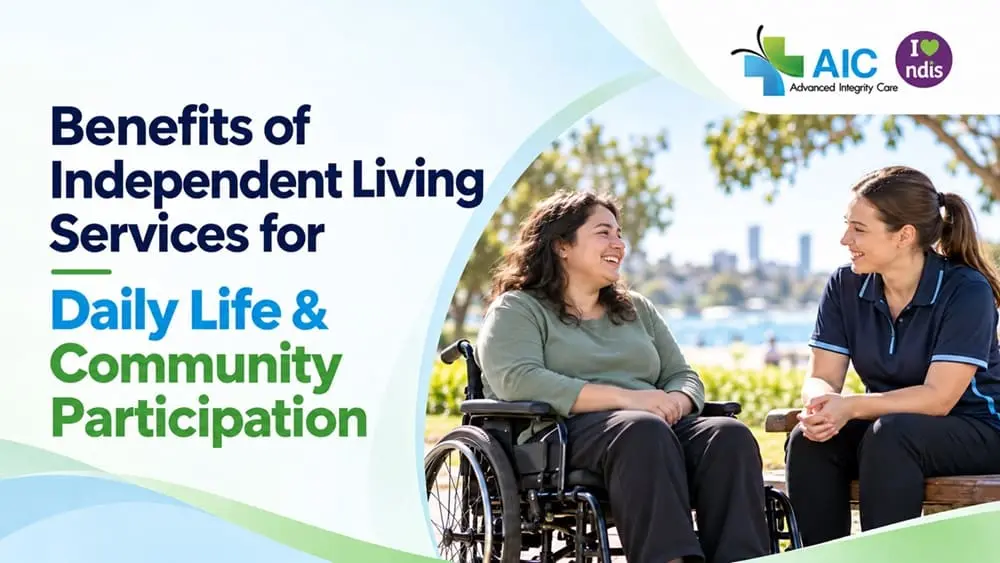
Benefits of Independent Living Services for Daily Life & Community Participation. Independent living is about having more choice, control and confidence in everyday life. For people living with disability, the right support can make ordinary activities more manageable while creating opportunities to build relationships, learn new skills and become involved in the community. Independent living services help people work towards their personal goals without taking away their right to make decisions.
At Advanced Integrity Care – NSW, individual needs, preferences and aspirations should guide the support journey. Some people may need help with household tasks, while others may want to improve their cooking skills, travel independently or join local community activities. Whatever their goals, personalised assistance can help them develop practical skills and enjoy a more fulfilling lifestyle.
Moreover, independent living does not mean doing everything alone. Instead, it means receiving the right level of assistance to make everyday decisions, participate in meaningful activities and develop greater independence over time.
What Are Independent Living Services?
Independent living services provide practical assistance to people with disability so they can manage daily routines, develop essential life skills and participate in their communities. Depending on individual requirements, support may include personal care, meal preparation, household management, budgeting, shopping and assistance with social activities.
Furthermore, these services can help people explore different living arrangements and identify the support they need to work towards their goals. Some individuals may require regular assistance, while others might benefit from occasional guidance as their confidence grows.
The main aim is to support personal choice rather than make decisions on someone else's behalf. Consequently, individuals can develop their abilities at a comfortable pace while maintaining control over their daily lives.
1. Building Confidence in Everyday Activities
Everyday tasks can provide valuable opportunities to practise skills and become more self-reliant. For example, preparing breakfast, choosing clothes, organising appointments or keeping a bedroom tidy can help a person feel more capable.
With daily living support, individuals can learn how to approach these activities step by step. Support workers may demonstrate a task, offer guidance and encourage the person to complete as much as they can independently.
Over time, familiar routines can become easier to manage. In addition, completing personal goals can improve confidence and encourage people to try new activities.
Rather than focusing only on what someone finds difficult, a person-centred approach recognises existing strengths and builds on them. As a result, support becomes more meaningful and relevant to everyday life.
2. Developing Essential Life Skills
Practical life skills help people manage responsibilities and make informed decisions. However, learning these skills often takes time, patience and regular practice.
Independent living support can help individuals develop skills such as:
Preparing simple, balanced meals and planning weekly menus.
Shopping for groceries and comparing prices.
Managing household cleaning and laundry.
Understanding basic budgeting and spending choices.
Organising appointments, calendars and personal routines.
Following personal care routines and maintaining hygiene.
For instance, a support worker might help someone create a shopping list before visiting a local supermarket. The individual can then practise selecting products, checking prices and paying at the checkout.
Similarly, learning to plan meals can make grocery shopping easier and reduce unnecessary spending. Most importantly, these activities give people practical experience they can use in different situations.
3. Encouraging Community Participation
Being part of a community allows people to develop friendships, explore interests and enjoy experiences beyond their homes. Nevertheless, transport difficulties, accessibility barriers or a lack of confidence can sometimes make participation challenging.
Community participation support can help people overcome these barriers. Depending on their preferences, individuals might visit libraries, attend sporting events, join hobby groups, participate in local workshops or spend time at community centres.
For example, someone interested in gardening could explore a local gardening group. Meanwhile, another person might prefer art classes, swimming sessions or social outings with friends.
Gradually, these experiences can help people feel more comfortable in unfamiliar settings. Furthermore, regular participation can encourage social connections and reduce feelings of isolation.
The goal is not simply to attend an activity. Instead, it is to help each person take part in experiences that reflect their interests, choices and personal goals.
Related Post:
» NDIS Respite Care: How It Enhances Family Wellbeing
» Choosing the Right Respite Care
» The Impact of Respite Care on Long-Term Caregiving
» NDIS Nursing Services for Aged Care Patients
4. Improving Social Skills and Communication
Good communication helps people express their needs, build friendships and feel comfortable around others. However, social situations can sometimes feel overwhelming, particularly when someone is unfamiliar with a new environment.
With personalised disability support, individuals can practise introducing themselves, starting conversations, asking questions and expressing their preferences. For example, attending a small group activity can provide a relaxed setting to meet new people.
In addition, support workers can help individuals prepare for social events, understand group activities and communicate their needs when necessary. They should also respect each person's communication style and allow enough time for responses.
As confidence develops, individuals may feel more comfortable making plans with friends or participating in community events. Consequently, social interaction can become a more enjoyable part of daily life.
5. Supporting Personal Choice and Decision-Making
Independence involves much more than completing household chores. It also means having a genuine say in how life unfolds.
Person-centred support encourages individuals to make choices about their routines, activities, meals, living arrangements and personal goals. Rather than following a fixed schedule designed by someone else, they can explore options that suit their preferences.
For example, a person might choose to prepare dinner in the evening instead of the afternoon. Similarly, they may prefer a quiet outing over a busy public event.
These choices may seem small, yet they can make a meaningful difference to someone's sense of control. Furthermore, practising decision-making helps people understand their preferences and communicate them more confidently.
The NDIS also recognises the importance of supporting people with disability to pursue their goals, develop independence and participate in community life.
6. Creating Structure and Consistency at Home
A predictable routine can make daily responsibilities easier to manage. For instance, setting regular times for meals, household tasks and appointments can help reduce confusion and support better organisation.
Daily living assistance can help individuals create routines that work for their needs. Support workers may use calendars, reminders, checklists or visual schedules to make activities easier to follow.
Moreover, routines can be adjusted whenever circumstances change. Someone starting a new course, attending appointments or exploring a new hobby may need a different schedule.
The aim is to find a practical balance between consistency and flexibility. As a result, individuals can manage their responsibilities while leaving room for leisure, rest and spontaneous activities.
7. Understanding Different Independent Living Supports
Not everyone requires the same type or level of assistance. Therefore, the right service should reflect a person's support needs, goals and preferred living arrangements.
Type of support | What it may help with |
|---|---|
Daily living assistance | Personal care, dressing and everyday routines |
Household support | Cooking, cleaning, laundry and home organisation |
Independent living skills | Meal planning, shopping and practical decision-making |
Community participation | Attending social activities, hobbies and local events |
Supported Independent Living (SIL) | Ongoing help or supervision with daily tasks at home for people with higher support needs |
Individualised Living Options (ILO) | Exploring personalised living arrangements and the support needed to make them work |
The availability of these supports depends on individual circumstances and applicable funding requirements. Importantly, SIL and ILO are different options, so people should explore which arrangement best matches their needs.
8. How to Make the Most of Independent Living Services
To get meaningful results, individuals should start with goals that matter to them. These goals do not need to be complicated. Learning one new recipe, visiting a local library or managing a weekly shopping list can be a useful starting point.
Consider these practical steps:
Identify personal goals: Decide which daily tasks or community activities you want to explore.
Discuss support needs: Explain what you can already do and where assistance would help.
Create a flexible plan: Break larger goals into smaller, achievable steps.
Practise regularly: Use everyday situations to develop confidence and skills.
Review progress: Discuss what works well and adjust support as preferences change.
Additionally, involve family members or trusted people when the individual wants their input. Their encouragement can be helpful, although the person's own preferences should remain central to decisions.
For NSW residents, Advanced Integrity Care can be a starting point for discussing individual support needs and exploring suitable assistance. Before choosing a provider, ask about its services, staff approach, availability and experience supporting goals similar to yours.
9. Measuring Progress Without Pressure
Progress looks different for everyone. One person might learn to prepare meals independently, while another may become more comfortable travelling to a familiar community venue.
Therefore, independent living support should focus on personal achievements rather than comparisons with other people. Small improvements deserve recognition, even when a skill takes longer to develop.
Support workers can discuss progress regularly and identify areas where additional guidance may help. At the same time, they should respect changing needs and allow individuals to work at their own pace.
Ultimately, the purpose is to improve everyday experiences, strengthen personal choice and create more opportunities for meaningful participation.
Conclusion
Independent living services can help people with disability build practical skills, strengthen confidence and participate more actively in everyday life. From preparing meals and managing household routines to developing friendships and joining community activities, the right support can open up valuable opportunities.
At Advanced Integrity Care – NSW, a person-centred approach can help individuals explore their goals and identify support that reflects their preferences. With encouragement, regular practice and suitable assistance, people can work towards greater independence while enjoying more choice in how they live.
The first step is simple: identify what matters most to you and explore the support that can help you move towards it.
Social:
https://x.com/a_i_care/status/2108404133585965359
https://www.linkedin.com/feed/update/urn:li:share:7514170245549547520/


Comments
Post a Comment