How Independent Living and Disability Support Services Improve Quality of Life
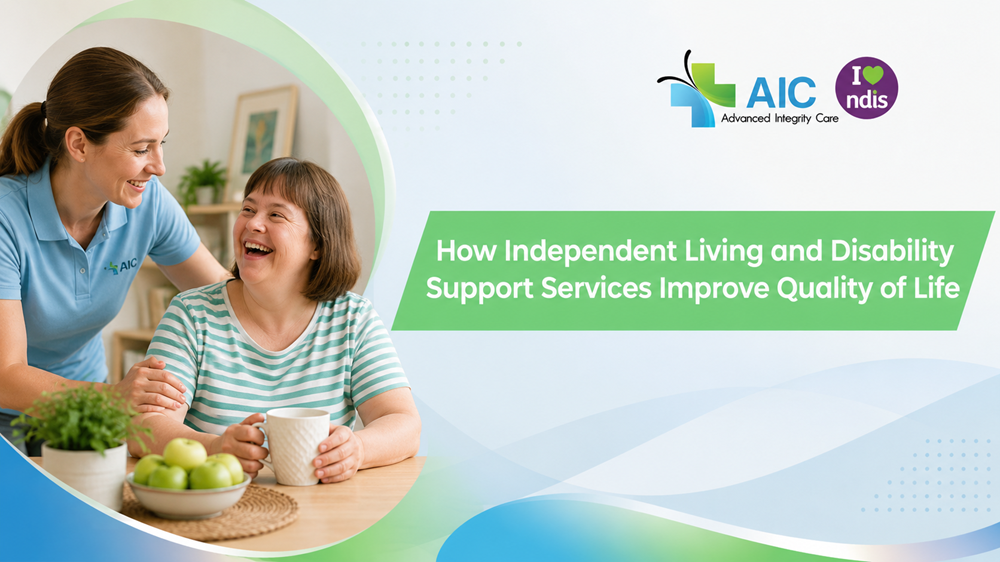
How Independent Living and Disability Support Services Improve Quality of Life. Living with a disability should never mean giving up your choices, goals or everyday independence. With the right independent living and disability support services, people can get practical assistance while still having control over how they live, work and spend their time.
For many people across NSW, the right support can make ordinary activities feel more manageable. Whether it’s preparing a meal, getting ready for the day, attending an appointment or joining a community activity, personalised support can make a real difference. More importantly, good support focuses on what a person can do rather than simply focusing on their disability.
What Is Independent Living Support?
Independent living support helps people with disability manage everyday life while developing skills and confidence. The level of assistance can vary from person to person. Some people may only need occasional help, while others may require regular support at home.
The National Disability Insurance Scheme (NDIS) recognises several home and living support options, including assistance with daily life, Individualised Living Options (ILO), Supported Independent Living (SIL), home modifications and other supports.
Importantly, independent living doesn’t always mean doing everything without help. Instead, it means having the choice, control and support to live life in a way that suits you.
How Disability Support Services Improve Daily Life
Daily routines can sometimes become challenging when a person needs assistance with mobility, personal care, communication or household activities. Professional disability support services in NSW can provide practical help without taking away personal choice.
Support may include:
Personal care and hygiene assistance
Meal preparation and cooking
Cleaning and laundry
Shopping and household tasks
Assistance with daily routines
Transport and community participation
Developing independent living skills
Support to attend appointments
Social and recreational activities
The NDIS states that daily living supports can help people learn to live more independently and may include assistance with personal care, cleaning, laundry and accessibility improvements at home.
Independence Does Not Mean Doing Everything Alone
This is an important point. Independence can look different for everyone.
For one person, independence might mean cooking dinner without assistance. For another, it might mean choosing what to eat and receiving support with the physical parts of meal preparation.
Therefore, personalised disability care should be based on individual goals instead of using the same approach for everyone.
Building Confidence Through Personalised Support
Confidence often grows when people have opportunities to make their own decisions and learn new skills. A good support worker can encourage a person to try tasks independently while providing assistance when needed.
For example, rather than completing every household task for someone, a support worker may help them learn how to:
Plan a weekly shopping list.
Choose suitable groceries.
Prepare simple meals.
Keep track of household items.
Follow a regular cleaning routine.
Over time, these small achievements can build confidence. Consequently, the person may feel more comfortable making decisions and trying new activities.
Supporting Choice and Control
Quality disability support in NSW should respect the individual’s preferences, routines and personal goals.
A person-led approach places the individual at the centre of decision-making. NSW Health describes person-led support as an approach that focuses on the person, their strengths, aspirations and unique circumstances.
This can mean choosing:
| Area | Person-led choice may include |
|---|---|
| Daily routine | Deciding when to wake, eat or relax |
| Meals | Choosing food and meal times |
| Activities | Selecting hobbies and interests |
| Community | Choosing places to visit |
| Support | Expressing preferred ways of receiving assistance |
| Goals | Setting personal and lifestyle goals |
These choices might seem small, but together they can have a significant impact on quality of life for people with disability.
Encouraging Social and Community Participation
Quality of life is about more than completing household tasks. People also need opportunities to connect with others, enjoy hobbies and feel part of their community.
Community participation support can help people attend social events, visit local places, pursue hobbies or take part in recreational activities. Depending on individual needs, support may also help someone access education, employment or community programs.
Moreover, regular social interaction can reduce feelings of isolation and create opportunities to develop friendships and stronger community connections.
Supporting Safer Living at Home
A suitable home environment can make everyday activities easier and safer. Some people may benefit from home modifications, assistive technology or changes to their daily routines.
The NDIS notes that home modifications can improve accessibility and make it safer for people to move around and use different areas of their homes.
Examples can include:
Accessibility improvements
Bathroom safety changes
Mobility-related equipment
Easier access to important household areas
Assistive technology for everyday activities
However, the right solution depends on the person’s needs and circumstances. A professional assessment can help identify practical options.
Supported Independent Living and Skill Development
Supported Independent Living (SIL) is one option available for people with higher support needs. It provides support workers who assist or supervise people with daily activities in their home.
According to the NDIS, SIL can involve assistance with personal care, cooking, cleaning and developing skills that help a person live as independently as possible.
| Support area | Possible benefit |
|---|---|
| Personal care | Greater confidence with daily routines |
| Cooking | Improved meal preparation skills |
| Cleaning | Better household management |
| Shopping | More confidence making choices |
| Daily planning | Stronger routine and organisation |
| Skill development | Increased independence |
SIL isn't the only option, though. Individualised Living Options and other home and living supports may be more appropriate depending on the person's needs and goals.
Emotional Wellbeing Matters Too
Physical assistance is only one part of disability support. Emotional wellbeing and social connection also matter.
Having a familiar support worker can help create a sense of trust and consistency. Furthermore, being listened to and respected can help a person feel valued and understood.
A strong support relationship should encourage dignity, privacy and personal choice. It should also give the person space to make decisions rather than making every decision for them.
Related Post:
» NDIS Respite Care: How It Enhances Family Wellbeing
» Choosing the Right Respite Care
» The Impact of Respite Care on Long-Term Caregiving
» NDIS Nursing Services for Aged Care Patients
Benefits of Independent Living and Disability Support
The impact of quality support can be seen across different areas of everyday life.
| Area of life | How support can help |
|---|---|
| Independence | Develops practical daily living skills |
| Confidence | Encourages people to make choices |
| Safety | Helps manage challenging everyday activities |
| Social life | Supports community and social participation |
| Routine | Creates greater structure and consistency |
| Wellbeing | Encourages meaningful activities and connections |
| Personal goals | Helps people work towards individual aspirations |
Research reviewed by the NDIA indicates that well-planned transitions towards more independent and personalised living can improve wellbeing, independence and choice and control.
Choosing the Right Disability Support Provider
Choosing a disability support provider in NSW deserves careful consideration. The right provider should understand that every participant has different needs, preferences and goals.
When comparing services, consider:
Is the support person-centred?
Does the provider listen to individual preferences?
Are support plans flexible?
Can support workers assist with skill development?
Does the service promote dignity and choice?
Is communication clear and reliable?
Does the provider understand the participant’s goals?
It’s also worth discussing the type and level of assistance required before starting services. A good conversation early on can prevent confusion later.
Why Personalised Care Makes a Difference
There isn't a single definition of an independent lifestyle. Some people may want to live alone, while others may prefer living with housemates, family or a host arrangement. Some may need daily assistance, whereas others may only require occasional support.
That’s why personalised disability support services are so important.
The goal isn't simply to complete tasks for someone. Instead, effective support should help a person build skills, make choices, participate in their community and work towards the lifestyle they want.
Conclusion
Independent living and disability support services can improve quality of life by providing practical assistance while protecting choice, dignity and personal control. From personal care and household tasks to social participation and skill development, the right support can make everyday life more achievable.
Most importantly, independence looks different for every person. With compassionate, flexible and person-centred support, people with disability can work towards their goals, develop confidence and enjoy greater participation in everyday life.
For people and families seeking disability support services in NSW, choosing a provider that genuinely listens and understands individual goals can be an important first step towards a more confident and fulfilling lifestyle.
Social:
https://x.com/a_i_care/status/2096120481862836697


Comments
Post a Comment