How Disability Support Can Help You Reach Personal Goals
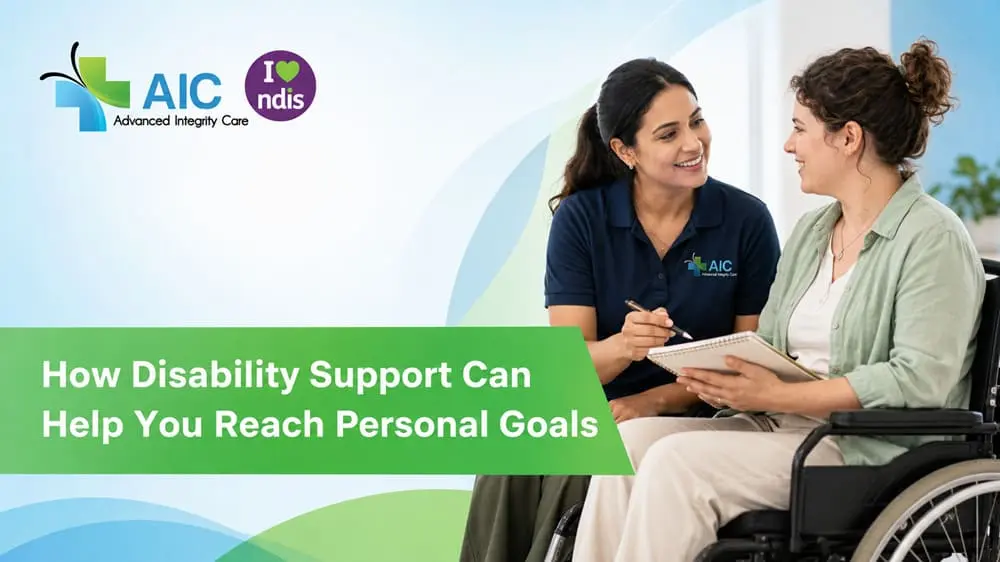
How Disability Support Can Help You Reach Personal Goals.Personal goals look different for everyone. For one person, the goal may be learning to cook independently. For another, it could mean finding a job, joining a social group, travelling safely, or becoming more confident in everyday life. With the right disability support, people can turn these goals into practical steps and make steady progress over time.
At Advanced Integrity Care – NSW, support should focus on the person, not just the service. Therefore, good support starts by listening carefully to what matters most to each individual. Instead of telling someone what they should achieve, support workers can help them identify realistic goals, build useful skills, and stay motivated along the way.
What Does Goal-Focused Disability Support Mean?
Goal-focused disability support connects everyday assistance with a person’s longer-term plans. Rather than completing every task for someone, a support worker can encourage the person to take part, make decisions, and learn through experience.
For example, if someone wants to become more independent at home, their support may include meal planning, shopping, cooking, cleaning, or managing appointments. Likewise, if their goal involves community participation, support may focus on transport, confidence, social communication, and exploring local activities.
As a result, everyday routines become opportunities for learning and personal development.
How Disability Support Builds Independence
Independence does not always mean doing everything alone. Instead, it often means having more choice, control, skills, and confidence in daily life.
A person may begin by needing regular support with a task. However, with practice, encouragement, and the right approach, they may gradually complete more parts of that task themselves.
For instance, someone learning to prepare meals may first work with a support worker to choose simple recipes. Next, they may practise shopping for ingredients. Later, they might prepare parts of the meal independently.
Therefore, independent living support can help people build practical abilities at a pace that feels comfortable.
Turning Personal Goals Into Achievable Steps
Large goals can sometimes feel overwhelming. However, breaking them into smaller steps often makes progress easier to see.
A support worker can help a participant create simple, realistic milestones. For example, a goal such as “I want to become more social” may be divided into smaller actions, including attending one community activity, learning a public transport route, or introducing themselves to new people.
| Personal Goal | Possible Support | Practical Progress |
|---|---|---|
| Live more independently | Cooking, budgeting and household routines | Complete more daily tasks independently |
| Join community activities | Transport and social support | Attend local groups or events regularly |
| Improve confidence | Skill-building and encouragement | Make more everyday decisions |
| Find employment | Routine building and workplace preparation | Develop work-ready habits |
| Improve daily wellbeing | Healthy routines and community access | Build a more balanced lifestyle |
Moreover, smaller milestones allow people to recognise success along the way. That sense of progress can increase motivation and make future goals feel more achievable.
Related Post:
» NDIS Respite Care: How It Enhances Family Wellbeing
» Choosing the Right Respite Care
» The Impact of Respite Care on Long-Term Caregiving
» NDIS Nursing Services for Aged Care Patients
Developing Everyday Life Skills
Many personal goals rely on practical daily living skills. Therefore, disability support may involve learning or strengthening abilities that make everyday routines easier.
These skills may include budgeting, preparing meals, using public transport, organising appointments, shopping, cleaning, communicating with others, or managing a daily schedule.
For example, someone who wants to travel independently may practise reading timetables, planning routes, using transport apps, and knowing what to do if plans change.
In addition, learning these skills in real situations can make them easier to remember and apply. Over time, repeated practice can help build confidence and reduce the need for assistance with certain tasks.
Building Confidence Through Positive Support
Confidence often grows through experience. However, people may avoid new activities if they feel worried about making mistakes or unsure about what to expect.
Support workers can provide encouragement while still allowing the person to make choices. Rather than taking over, they can offer guidance when needed and give the individual room to try.
For example, a person who feels nervous about joining a local class may first visit the venue with a support worker. After that, they may attend part of the session. Eventually, they might feel comfortable participating more independently.
Therefore, personalised disability support can help people try new experiences in a way that feels manageable.
Supporting Community Participation and Social Goals
Community participation can play an important role in personal wellbeing. It can also help people build friendships, explore interests, learn new skills, and feel more connected to the places where they live.
Depending on personal interests, community participation support may involve joining a sporting activity, attending a local event, visiting a library, taking part in a hobby group, volunteering, or simply spending more time in the community.
Importantly, the activity should connect with the person’s own interests. Someone who enjoys gardening may prefer a community garden, while another person may enjoy art classes, swimming, technology groups, or local social events.
As a result, community participation becomes more meaningful and enjoyable.
Supporting Education and Employment Goals
Some people may want to study, volunteer, or move towards employment. In these situations, disability support can help develop routines and skills that support those goals.
For example, assistance may include improving time management, planning transport, practising communication, preparing for workplace routines, or building confidence in unfamiliar environments.
Additionally, volunteering may give someone a chance to explore their interests and practise workplace skills before pursuing paid employment.
Although every journey is different, consistent support can help people move forward one practical step at a time.
Why Choice and Control Matter
Personal goals should come from the individual. Therefore, effective support needs to respect personal preferences, decisions, culture, interests, and lifestyle.
A support worker might offer ideas or explain available options. However, the person should remain involved in decisions about their own life.
This approach can strengthen choice and control, which is an important part of person-centred support. Moreover, when people choose goals that genuinely matter to them, they are often more motivated to work towards them.
Reviewing Progress and Adjusting Support
Goals can change over time. Someone may achieve a goal earlier than expected, while another goal may need more time. In other cases, a person may discover a completely new interest.
Therefore, regular conversations about progress can be useful. A support worker can discuss what is working well, where challenges remain, and whether the support approach needs to change.
For example, if a person becomes confident using public transport, they may decide their next goal is attending activities without regular transport assistance.
As a result, support can evolve as the person becomes more confident and independent.
How Advanced Integrity Care – NSW Can Support Personal Goals
At Advanced Integrity Care – NSW, disability support can be shaped around individual needs, routines, interests, and personal aspirations. The aim is to support people in building skills, participating in the community, increasing independence, and working towards goals that matter in everyday life.
Whether a person wants to improve daily living skills, explore social activities, strengthen confidence, or become more independent, consistent and respectful support can make the journey easier to manage.
Most importantly, meaningful progress does not always come from big changes. Sometimes, learning one new skill, making one independent decision, or attending one new activity can be a major achievement.
Start Working Towards Your Personal Goals
Reaching personal goals takes time, practice, and the right support. However, with person-centred disability support, individuals can build confidence, strengthen everyday skills, and create more opportunities for independence.
Advanced Integrity Care – NSW can support people to focus on what matters to them and take practical steps towards a more confident, connected, and independent life.
Social:


Comments
Post a Comment