Independent Living in NSW: Simple Supports That Improve Daily Life
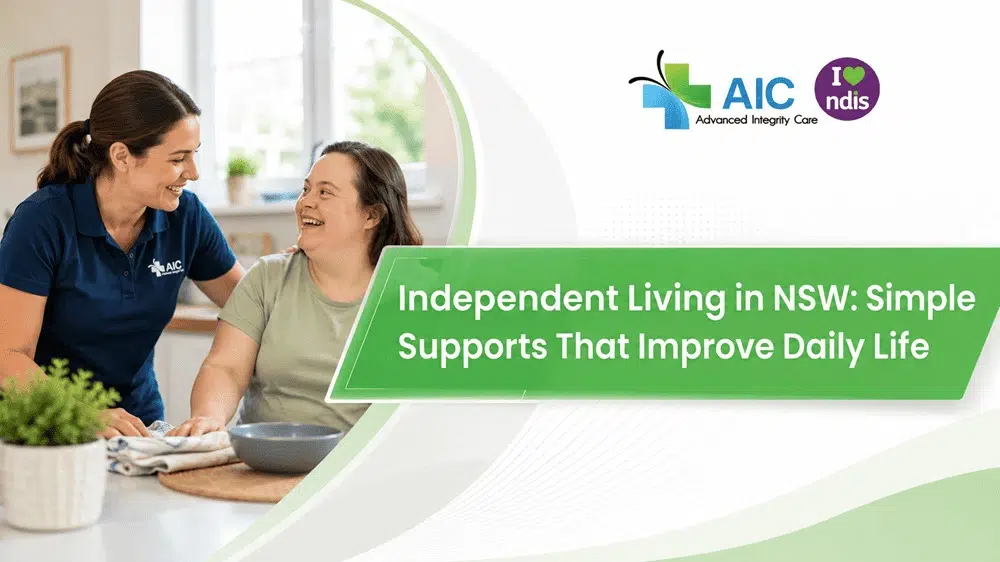
Independent Living in NSW: Simple Supports That Improve Daily Life. Living independently means having the freedom to make everyday choices while receiving the right level of support when needed. For many people across New South Wales, this balance creates greater confidence, improves wellbeing, and encourages active participation within the community. Whether someone lives alone, with family, or in supported accommodation, the right services can make daily life safer, easier, and more enjoyable.
At Advanced Integrity Care – NSW, we believe independence looks different for everyone. Therefore, our goal is to provide personalised support that helps participants achieve their individual goals while maintaining dignity and choice.
What Is Independent Living?
Independent Living refers to the ability to manage everyday life with the appropriate level of assistance. Rather than doing everything for a person, support workers encourage skill development, confidence, and personal decision-making.
Consequently, individuals remain involved in their own routines while receiving help only where it's genuinely needed.
Why Independent Living Matters
Independence contributes to far more than completing household tasks. It also supports emotional wellbeing, social inclusion, and long-term confidence.
Some key benefits include:
- Greater personal choice
- Increased confidence
- Better daily routines
- Improved physical wellbeing
- Stronger community participation
- Enhanced quality of life
Moreover, personalised support allows individuals to continue developing valuable life skills at their own pace.
Everyday Supports That Make a Difference
Small supports often have the biggest impact on everyday life.
1. Personal Care Assistance
Maintaining personal hygiene and grooming promotes confidence and overall health.
Support may include:
- Showering
- Dressing
- Grooming
- Medication reminders
- Morning routines
Importantly, assistance is always provided with respect for personal preferences and privacy.
2. Household Support
Keeping a home organised can become challenging without assistance. Fortunately, practical household support helps maintain a comfortable living environment.
Services may include:
- General cleaning
- Laundry
- Meal preparation
- Grocery shopping
- Changing bed linen
These everyday tasks reduce stress while allowing participants to focus on other goals.
3. Meal Planning and Nutrition
Healthy eating supports both physical and mental wellbeing.
Support workers may assist with:
- Planning weekly meals
- Shopping for groceries
- Preparing nutritious meals
- Safe food storage
- Developing cooking skills
As confidence grows, many participants become more involved in preparing meals independently.
4. Travel and Community Access
Being able to access the local community is essential for independence.
Support may include assistance with:
- Medical appointments
- Shopping trips
- Recreational activities
- Public transport training
- Visiting family and friends
Consequently, participants enjoy greater social connection while building confidence outside the home.
Related Post:
» NDIS Respite Care: How It Enhances Family Wellbeing
» Choosing the Right Respite Care
» The Impact of Respite Care on Long-Term Caregiving
» NDIS Nursing Services for Aged Care Patients
Independent Living Supports at a Glance
| Support Service | Daily Benefit |
|---|---|
| Personal care | Promotes health and confidence |
| Household assistance | Maintains a clean living space |
| Meal preparation | Supports healthy eating |
| Community access | Encourages social inclusion |
| Transport support | Improves mobility |
| Life skills training | Builds long-term independence |
Developing Essential Life Skills
One of the most valuable aspects of Independent Living in NSW is learning practical skills for everyday life.
Life skills support may include:
- Budgeting
- Time management
- Cooking
- Communication
- Household organisation
- Shopping independently
- Problem-solving
Rather than completing every task on behalf of participants, support workers encourage learning through guidance and practice.
Social Connection Improves Wellbeing
Independence isn't only about managing a household. Feeling connected to the community also plays an important role.
Regular participation in community activities can:
- Reduce social isolation
- Build friendships
- Improve confidence
- Encourage physical activity
- Support emotional wellbeing
Whether attending local events, joining hobby groups, or participating in recreational programs, community involvement creates meaningful experiences.
Technology Supports Independent Living
Technology has made independent living more accessible than ever.
Many participants now use:
- Medication reminder apps
- Smart home devices
- Video calling platforms
- Digital calendars
- Emergency alert systems
These simple tools improve safety while helping individuals remain organised throughout the day.
Choosing the Right Support Provider
Selecting a provider is an important decision. Therefore, families and participants should consider more than just available services.
Look for providers who offer:
- Person-centred support
- Qualified and compassionate staff
- Flexible service plans
- Clear communication
- Respect for participant choice
- Experience supporting diverse needs
A trusted provider works alongside participants rather than making decisions for them.
Benefits of Independent Living Support
| Area | Positive Outcome |
|---|---|
| Confidence | Greater self-belief |
| Health | Improved daily wellbeing |
| Social life | Increased community participation |
| Home environment | Safer and more organised |
| Life skills | Stronger independence |
| Personal goals | Greater achievement over time |
Why Choose Advanced Integrity Care – NSW?
At Advanced Integrity Care – NSW, we understand that every participant has different goals, abilities, and aspirations. That's why we provide personalised support designed to encourage independence while respecting individual choices.
Our experienced support workers assist participants with daily living, community access, household tasks, personal care, and skill development. More importantly, we focus on building confidence rather than creating dependence.
By working closely with participants and their families, we help create practical support plans that fit everyday life and promote long-term independence.
Simple Tips for Maintaining Independence
While professional support is valuable, small daily habits also contribute to greater independence.
Helpful ideas include:
- Follow a consistent daily routine.
- Use reminders for appointments and medication.
- Keep frequently used items organised.
- Learn one new life skill at a time.
- Stay socially connected.
- Ask for help when needed.
- Celebrate personal achievements, no matter how small.
These simple steps can gradually increase confidence and improve overall wellbeing.
Conclusion
Independent Living in NSW is about more than receiving assistance—it's about creating opportunities to live with confidence, dignity, and greater choice. With the right support, individuals can develop practical skills, participate in their communities, and enjoy a higher quality of life.
Whether it's help with personal care, household tasks, transport, or life skills, personalised supports can make everyday routines easier while encouraging long-term independence. Choosing a trusted provider like Advanced Integrity Care – NSW ensures support is tailored to each participant's unique goals and circumstances.
Social:
https://x.com/a_i_care/status/2082351677781528994
https://www.linkedin.com/feed/update/urn:li:share:7488117873941315584/


Comments
Post a Comment