Independent Living Support in NSW: How It Builds Daily Confidence
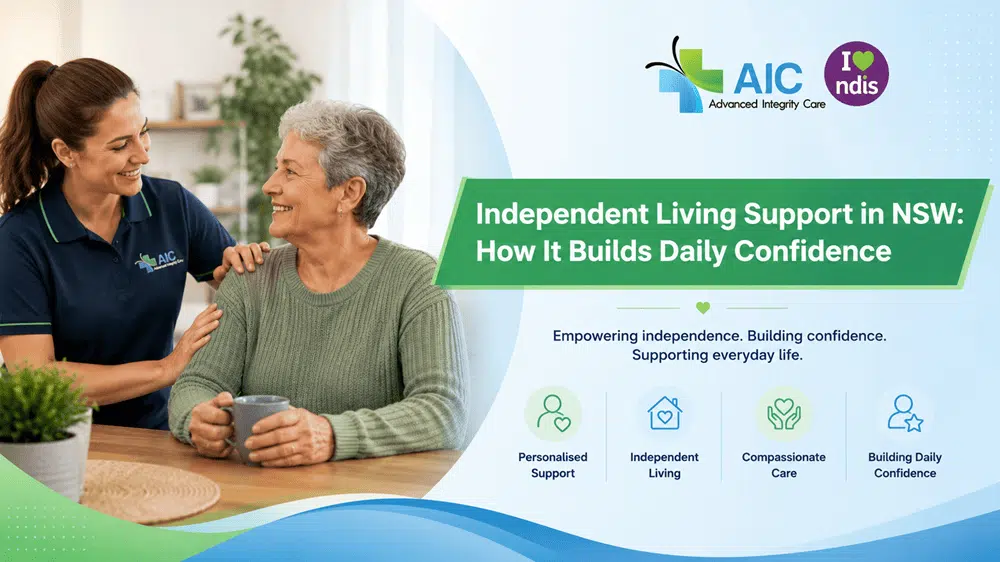
Independent Living Support in NSW: How It Builds Daily Confidence. Living independently is a goal that many people value because it brings freedom, choice, and a stronger sense of self. However, for individuals living with disability, managing everyday tasks can sometimes feel challenging. This is where Independent Living Support in NSW plays an important role. It provides practical assistance while encouraging people to develop skills, make decisions, and participate more actively in their communities.
At Advanced Integrity Care - NSW, independent living support is not simply about helping with daily activities. Instead, it focuses on empowering individuals to build confidence and gain greater control over their lives. As a result, participants can enjoy a more fulfilling and independent lifestyle.
What Is Independent Living Support?
Independent Living Support refers to services designed to help individuals manage everyday tasks while promoting self-reliance. These supports can be tailored to a person's unique needs, goals, and abilities.
Some common support areas include:
- Personal care assistance
- Household management
- Meal preparation
- Budgeting and financial skills
- Community participation
- Travel training
- Social engagement
- Daily routine planning
Importantly, support workers encourage participants to do as much as they can independently. Therefore, the focus remains on skill-building rather than dependence.
Why Daily Confidence Matters
Confidence affects nearly every aspect of life. When people feel capable of handling daily responsibilities, they often experience greater motivation and self-esteem.
For individuals receiving Disability Support Services in NSW, confidence can influence:
| Area of Life | Impact of Increased Confidence |
|---|---|
| Personal Care | Greater independence in daily routines |
| Social Life | Improved communication and relationships |
| Employment | Increased willingness to pursue opportunities |
| Education | Better participation and engagement |
| Community Access | More confidence in exploring local activities |
Consequently, even small achievements can create a positive cycle of growth and independence.
How Independent Living Support Builds Daily Confidence
1. Encourages Decision-Making Skills
Making choices is a vital part of independent living. However, some individuals may have limited opportunities to practise decision-making.
Through Independent Living Support in NSW, participants are encouraged to:
- Choose daily activities
- Plan personal schedules
- Set achievable goals
- Make informed decisions
As confidence grows, individuals become more comfortable making choices in different situations. Furthermore, they develop a stronger sense of control over their lives.
2. Develops Essential Life Skills
Learning practical skills often leads to greater independence. Therefore, support workers focus on teaching rather than doing everything on behalf of participants.
Common life skills include:
- Cooking simple meals
- Grocery shopping
- Cleaning and household tasks
- Managing appointments
- Using public transport
- Basic money management
Over time, these skills become part of everyday routines. As a result, participants often feel more capable and self-assured.
3. Promotes Social Confidence
Many people gain confidence through positive social interactions. Unfortunately, social isolation can sometimes affect individuals living with disability.
Independent living programs encourage:
- Community involvement
- Group activities
- Recreational outings
- Building friendships
- Communication skill development
Additionally, regular social engagement helps participants feel more connected and included. This can have a significant impact on emotional wellbeing.
4. Supports Goal Achievement
Achieving personal goals creates a sense of accomplishment. Therefore, support providers work closely with participants to identify meaningful objectives.
Examples may include:
- Learning to cook independently
- Travelling alone to familiar locations
- Joining a local club
- Finding volunteer opportunities
- Improving daily organisation
Each milestone reinforces confidence and encourages further growth.
Related Post:
» NDIS Respite Care: How It Enhances Family Wellbeing
» Choosing the Right Respite Care
» The Impact of Respite Care on Long-Term Caregiving
» NDIS Nursing Services for Aged Care Patients
The Connection Between Independence and Wellbeing
Independence and wellbeing often go hand in hand. When people gain more control over their daily lives, they frequently experience positive emotional outcomes.
Benefits Include:
| Benefit | Potential Outcome |
|---|---|
| Greater Independence | Increased self-esteem |
| Improved Life Skills | Better daily functioning |
| Community Participation | Reduced isolation |
| Goal Achievement | Enhanced motivation |
| Personal Choice | Stronger sense of identity |
Moreover, feeling capable of handling everyday challenges often reduces anxiety and boosts overall satisfaction.
Key Areas Covered by Independent Living Support
Personal Care Assistance
Support workers may assist with grooming, dressing, and hygiene while encouraging participants to complete tasks independently whenever possible.
Household Management
Learning household skills helps individuals maintain a safe and comfortable living environment.
Tasks may include:
- Laundry
- Dishwashing
- Vacuuming
- Organising personal spaces
Community Participation
Being involved in the community builds confidence and creates opportunities for social interaction.
Activities can include:
- Shopping trips
- Local events
- Recreational programs
- Educational courses
Travel and Transport Training
Many participants benefit from learning how to navigate public transport safely and confidently.
Consequently, they gain greater freedom to access services, work, and social activities.
How Personalised Support Makes a Difference
Every person has different strengths, challenges, and goals. Therefore, a one-size-fits-all approach rarely delivers the best outcomes.
At Advanced Integrity Care - NSW, personalised support plans focus on:
- Individual preferences
- Existing abilities
- Future goals
- Cultural considerations
- Lifestyle choices
Because support is tailored to each participant, individuals often feel more motivated and engaged throughout their journey.
Common Challenges and How Support Helps
Individuals may face various barriers when striving for independence.
| Challenge | How Support Helps |
|---|---|
| Low confidence | Encouragement and skill-building |
| Social anxiety | Gradual community participation |
| Limited daily living skills | Practical training and guidance |
| Lack of routine | Structured planning support |
| Transportation concerns | Travel training and assistance |
Furthermore, ongoing encouragement allows participants to progress at their own pace without feeling overwhelmed.
The Role of Support Workers
Support workers play a valuable role in promoting independence. Rather than taking over tasks, they guide individuals through activities while providing encouragement.
Effective support workers:
- Listen actively
- Respect personal choices
- Encourage participation
- Celebrate achievements
- Foster skill development
As a result, participants often develop stronger confidence and greater trust in their own abilities.
Why Independent Living Support Is Important in NSW
The demand for Independent Living Support in NSW continues to grow as more individuals seek opportunities to live fulfilling and self-directed lives.
Modern disability support focuses on:
- Choice and control
- Inclusion
- Skill development
- Community participation
- Long-term independence
Therefore, participants can build practical skills while maintaining dignity and autonomy.
Conclusion
Independent Living Support in NSW does much more than assist with everyday tasks. It empowers individuals to develop essential life skills, make confident decisions, participate in their communities, and pursue personal goals.
At Advanced Integrity Care - NSW, the focus remains on creating opportunities for growth, independence, and self-confidence. Through personalised support and ongoing encouragement, participants can achieve meaningful progress and enjoy a higher quality of life.
Ultimately, confidence grows when people are given the right tools, guidance, and opportunities to succeed. Even small achievements can lead to significant long-term improvements in independence and wellbeing.
Social:
https://x.com/a_i_care/status/2069996104314446330
https://www.linkedin.com/feed/update/urn:li:share:7475762285190217729/


Comments
Post a Comment