How Community Participation Improves Wellbeing for People with Disability
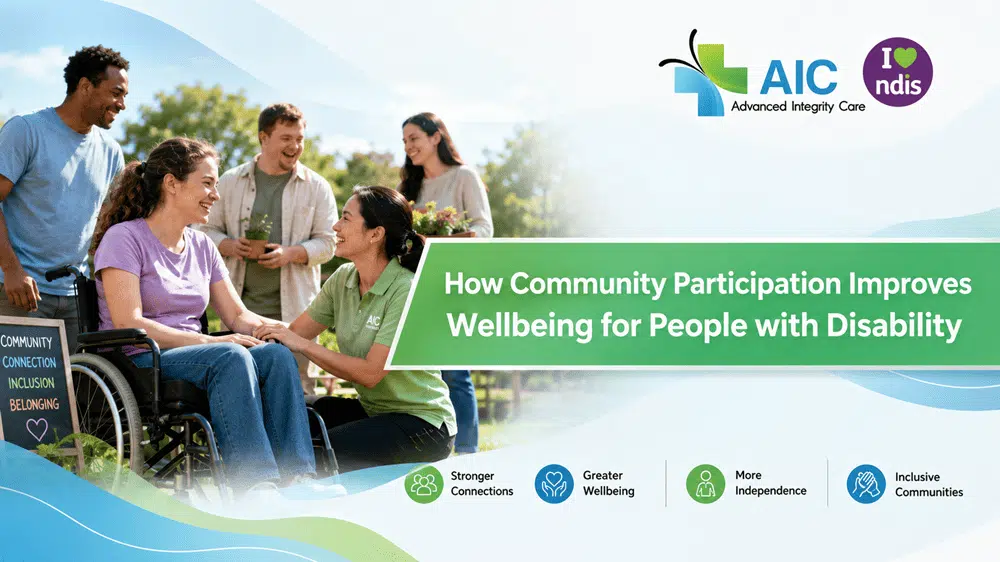
How Community Participation Improves Wellbeing for People with Disability. Living a meaningful life is about much more than having daily support. It also means feeling connected, valued, and included in the local community. For many Australians, community participation creates opportunities to build friendships, learn practical skills, and enjoy everyday experiences. For people with disability, these opportunities often become the foundation of greater confidence, improved mental health, and stronger independence.
At Advanced Integrity Care - NSW, we believe everyone deserves the chance to participate in activities that match their interests, abilities, and personal goals. Whether someone enjoys sport, art, volunteering, education, or simply spending time with others, active participation can transform everyday life in ways that are both practical and deeply rewarding.
What Is Community Participation?
Community participation means taking part in social, recreational, educational, cultural, or employment-related activities within the community. Rather than staying isolated, individuals become active members of society and contribute in ways that matter to them.
Examples include:
Joining local sports clubs
Attending community events
Participating in art or music classes
Volunteering for charities
Visiting libraries and community centres
Learning new skills through workshops
Joining support groups
Taking part in fitness programs
Exploring local attractions
Building friendships through shared interests
Importantly, every person's journey looks different. Some people enjoy large social gatherings, while others prefer smaller groups or one-on-one activities. Both approaches offer valuable benefits.
Why Community Participation Matters
Feeling connected improves both emotional and physical wellbeing. Furthermore, regular interaction with others helps reduce loneliness and encourages positive daily routines.
When individuals participate regularly, they often experience:
Greater confidence
Improved communication skills
Higher self-esteem
Better emotional wellbeing
Increased independence
Stronger decision-making abilities
Improved physical activity
New friendships
Greater sense of belonging
Consequently, people begin to see themselves as active members of their communities rather than observers.
How Community Participation Improves Wellbeing
1. Builds Self-Confidence
Trying something new can feel challenging at first. However, every successful experience helps build confidence.
Whether someone joins a cooking class, attends a community market, or participates in a gardening project, each achievement reinforces personal capability.
As confidence grows, people often become more willing to explore additional opportunities.
2. Encourages Meaningful Friendships
Humans naturally seek connection. Therefore, regular social interaction becomes an important part of emotional health.
Community activities introduce people to others with similar interests. Over time, casual conversations often grow into genuine friendships that provide encouragement and emotional support.
These relationships reduce feelings of isolation while creating lasting memories.
3. Supports Better Mental Health
Mental wellbeing benefits greatly from regular social engagement.
People who participate in enjoyable activities often experience:
Lower stress
Reduced anxiety
Better mood
Greater motivation
Increased optimism
Additionally, having something enjoyable to look forward to each week creates positive routines that improve overall wellbeing.
4. Develops Everyday Life Skills
Many community activities naturally teach practical skills.
For example:
| Community Activity | Skills Developed |
|---|---|
| Cooking classes | Meal preparation, confidence, planning |
| Shopping outings | Budgeting, communication, decision making |
| Volunteer programs | Responsibility, teamwork, leadership |
| Art workshops | Creativity, concentration, self-expression |
| Sports activities | Fitness, cooperation, discipline |
| Public transport training | Independence, navigation, confidence |
As these skills improve, individuals often require less assistance in everyday situations.
The Role of Social Inclusion
Social inclusion means everyone has equal opportunities to participate regardless of ability.
Inclusive communities create environments where people feel respected, welcomed, and appreciated.
This includes:
Accessible venues
Inclusive programs
Respectful communication
Equal opportunities
Community awareness
Because of these efforts, individuals can participate with confidence instead of worrying about barriers.
Benefits for Physical Health
Community participation also encourages healthier lifestyles.
Many activities involve movement, including:
Walking groups
Swimming
Dancing
Gardening
Community sport
Outdoor recreation
Even gentle physical activity contributes to:
| Physical Benefit | Positive Outcome |
|---|---|
| Regular movement | Better mobility |
| Exercise | Improved heart health |
| Outdoor activities | Increased energy |
| Group fitness | Greater motivation |
| Active routines | Better overall wellbeing |
Although everyone's abilities differ, small improvements often make a significant difference over time.
Developing Independence Through Participation
One of the biggest advantages of community participation for people with disability is increased independence.
Individuals gradually learn to:
Make personal choices
Travel confidently
Communicate with others
Manage daily routines
Solve everyday problems
Build resilience
Explore new interests
Instead of depending on others for every activity, many people begin making their own decisions with greater confidence.
That feeling of independence is incredibly valuable.
Supporting Employment and Education Goals
Community participation often opens doors to future opportunities.
For example, volunteering can improve workplace skills, while educational workshops increase knowledge and confidence.
Participants may develop:
Time management
Customer service
Leadership
Teamwork
Communication
Organisation
Consequently, many individuals become better prepared for employment, further education, or vocational training.
The Importance of Choice
Every person has unique interests.
Some enjoy sport.
Others prefer painting, music, photography, reading, technology, or gardening.
Because of this, support should always focus on personal choice rather than following a one-size-fits-all approach.
When individuals choose activities they genuinely enjoy, they are much more likely to stay engaged over the long term.
Related Post:
» NDIS Respite Care: How It Enhances Family Wellbeing
» Choosing the Right Respite Care
» The Impact of Respite Care on Long-Term Caregiving
» NDIS Nursing Services for Aged Care Patients
How Families Also Benefit
Community participation does not only improve the lives of individuals living with disability.
Families often notice positive changes as well.
These include:
Greater confidence at home
Better communication
Increased independence
More positive routines
Reduced social isolation
Stronger family relationships
Parents and carers frequently feel reassured when they see loved ones enjoying meaningful experiences within supportive environments.
A Quick Comparison
| Limited Community Participation | Active Community Participation |
|---|---|
| Increased isolation | Strong social connections |
| Lower confidence | Higher self-esteem |
| Fewer opportunities | More personal growth |
| Limited daily experiences | Richer life experiences |
| Reduced independence | Greater independence |
| Smaller support network | Broader community connections |
The comparison clearly highlights how active participation contributes to improved quality of life.
Tips for Getting Started
Beginning the journey does not need to feel overwhelming.
Instead, start small.
Helpful ideas include:
Attend one local event each month.
Join a hobby group.
Try a fitness activity.
Volunteer within the community.
Visit local libraries or community centres.
Learn a new skill.
Participate in cultural events.
Connect with local support programs.
Over time, confidence naturally grows through regular participation.
Why Personalised Support Makes a Difference
Every person has different goals, abilities, and interests. Therefore, personalised support plays an important role in creating successful community experiences.
At Advanced Integrity Care - NSW, support is centred around each individual's preferences. Rather than following a fixed routine, experienced support workers help participants explore activities that match their lifestyle, build confidence, and encourage meaningful social connections.
This personalised approach allows people to participate at their own pace while developing valuable life skills and enjoying greater independence.
Conclusion
Community participation is much more than attending events or joining activities. It creates opportunities to develop friendships, improve independence, strengthen confidence, and enjoy a genuine sense of belonging.
For people with disability, these experiences support emotional wellbeing, physical health, personal growth, and social inclusion. Moreover, every small step towards greater participation can lead to lasting positive change.
At Advanced Integrity Care - NSW, we are committed to supporting individuals in achieving meaningful community connections that enhance everyday life. Through personalised support and inclusive opportunities, we help people build confidence, discover new interests, and enjoy the many benefits of active community participation.
Social:
https://x.com/a_i_care/status/2067118922965667911
https://www.linkedin.com/feed/update/urn:li:share:7472884894269022210/


Comments
Post a Comment