Community Nursing vs. Clinical Nursing: What’s the Difference?
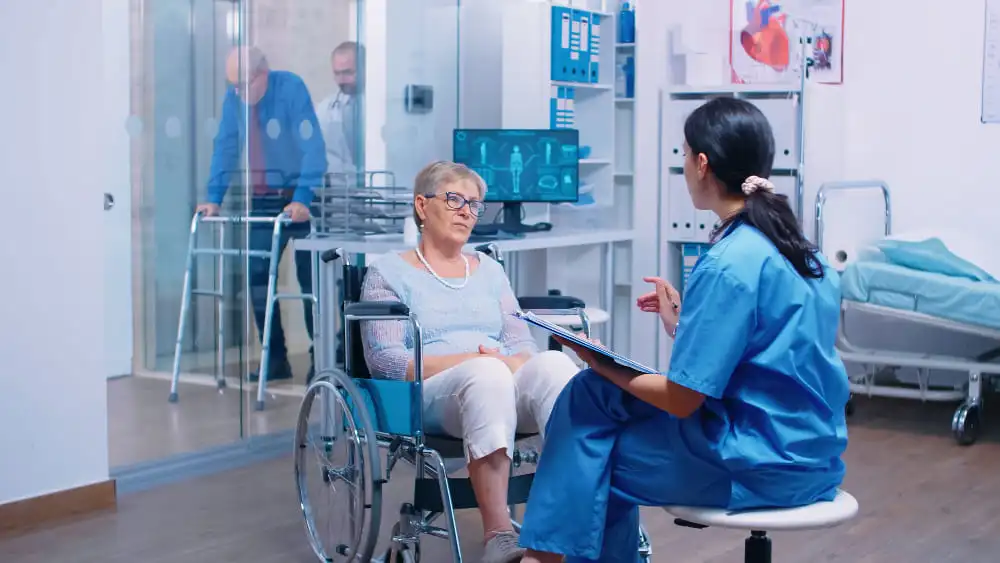
Community Nursing vs. Clinical Nursing: What’s the Difference?. Australia’s healthcare system relies on many types of nursing roles, yet two of the most essential areas—community nursing and clinical nursing—are often misunderstood. Although both professions focus on quality care, they operate in very different environments and support patients in unique ways. Because of this, understanding the difference helps families, organisations, and clients choose the right service at the right time.
At Advanced Integrity Care – NSW, we work closely with individuals who need personalised, long-term support. Consequently, we see firsthand how the right nursing model can dramatically improve comfort, confidence, and health outcomes. In this article, we’ll explore how community nursing differs from clinical nursing, what each role involves, and how they work together to create a strong healthcare system.
What Is Community Nursing?
Community nursing focuses on care delivered outside hospitals, usually in the client’s home or within local community settings. It supports people who need ongoing assistance to live independently, manage chronic conditions, or recover after treatment.
Community nurses often work with a wide range of clients, including:
-
NDIS participants
-
Older Australians
-
People recovering from surgery
-
Individuals managing long-term health conditions
-
Clients needing wound care or medication support
Because the care is delivered in familiar environments, clients usually feel more relaxed, more engaged, and more in control of their health journey.
Key Features of Community Nursing
-
Personalised support designed around daily routines
-
Holistic care, focusing on physical, emotional, and social wellbeing
-
Continuity, since clients often see the same nurses regularly
-
Greater independence, allowing clients to remain at home
-
Education and empowerment, helping clients understand their condition
Most importantly, community nursing encourages long-term health stability. Rather than focusing on short-term treatment, it supports everyday living.
What Is Clinical Nursing?
Clinical nursing usually takes place in hospitals, surgical centres, and medical clinics. These nurses support acute care, medical treatments, monitoring, and urgent health needs. Unlike community nursing, clinical nursing is often fast-paced and structured around immediate medical priorities.
Clinical nurses play a crucial role in:
-
Emergency departments
-
Operating theatres
-
Intensive care units
-
Rehabilitation wards
-
GP clinics and specialist practices
Although the environment is more controlled and technology-driven, the focus remains on safe, evidence-based care.
Key Features of Clinical Nursing
-
Acute treatment, often urgent or short-term
-
Advanced technology use, such as monitors and equipment
-
Team-based environments, working with doctors and specialists
-
Rapid decision-making, especially in emergency settings
-
Strict protocols, ensuring safety and accuracy
Clinical nursing is essential when someone requires hospitalisation or complex medical support.
Community Nursing vs. Clinical Nursing: Core Differences
Although both professions require strong skills, empathy, and expertise, their differences are clear across several areas.
1. Environment of Care
Community Nursing:
Delivered in homes, aged-care facilities, and other community-based locations. This environment allows nurses to observe everyday challenges and tailor their approach accordingly.
Clinical Nursing:
Occurs in hospitals, clinics, and specialised medical facilities. The setting is structured, controlled, and equipped with advanced tools.
Why it matters:
Many clients feel more comfortable at home, while others benefit from on-site medical technology.
2. Type of Care Provided
Community Nursing:
Focuses on ongoing support, chronic condition management, wound care, medication assistance, health coaching, and daily independence.
Clinical Nursing:
Focuses on acute treatment, surgical recovery, emergencies, medical monitoring, and diagnostic procedures.
Why it matters:
Clients with long-term needs may prefer community nursing, while those requiring hospital-level treatment rely on clinical nurses.
3. Level of Independence for Clients
Community Nursing:
Encourages independence. Nurses support clients to manage medication, understand their conditions, and stay involved in their health decisions.
Clinical Nursing:
Provides more structured care, especially when clients are unwell or recovering from procedures.
Why it matters:
Community nursing empowers clients, whereas clinical nursing ensures safety during vulnerable times.
4. Duration and Continuity of Care
Community Nursing:
Often long-term. Clients may work with the same nurse for months or years.
Clinical Nursing:
Usually short-term. Care ends once the patient leaves the facility.
Why it matters:
Consistency strengthens trust, which is essential for ongoing care.
5. Approach to Holistic Support
Community Nursing:
Looks at the full picture—including social factors, home layout, family support, and lifestyle habits.
Clinical Nursing:
Focuses primarily on medical needs rather than home-based challenges.
Why it matters:
Holistic support helps prevent future issues and encourages wellbeing beyond the clinic.
Related Post:
» Choosing the Right Respite Care
» The Impact of Respite Care on Long-Term Caregiving
» NDIS Respite Care for Children with Special Needs
» NDIS Respite Care: How It Enhances Family Wellbeing
» NDIS Nursing Services for Aged Care Patients
How Community Nursing Supports Australians Daily
At Advanced Integrity Care – NSW, we provide a wide range of community-based nursing services designed to help clients stay safe and comfortable at home. Moreover, we tailor every service to individual goals and needs.
Common Community Nursing Services Include:
-
Wound care and dressing
-
Medication management
-
Diabetes monitoring
-
Continence support
-
Mobility assistance
-
Post-operative care
-
Chronic disease management
-
Health assessments
-
Pain management
-
NDIS community nursing
These services help prevent hospital visits and support long-term wellbeing.
How Clinical Nursing Strengthens the Healthcare System
Although community care is invaluable, clinical nurses remain essential in many situations, especially when someone needs urgent or highly specialised treatment.
Clinical Nursing Commonly Includes:
-
Emergency response
-
Surgery and anaesthetic support
-
Monitoring high-risk patients
-
Administering IV medications
-
Pre-operative and post-operative care
-
Diagnostic testing
-
Hospital-based rehabilitation
Both types of nursing rely on professional expertise. However, they serve different roles in the patient journey.
How Community and Clinical Nursing Work Together
Although they differ, community nursing and clinical nursing complement each other. In fact, many clients move between both systems.
For example:
-
A patient may receive surgery in hospital (clinical nursing).
-
After discharge, they may need wound care at home (community nursing).
-
They might later need chronic condition support (ongoing community nursing).
Because of this overlap, seamless communication between clinical professionals and community nurses ensures better outcomes.
At Advanced Integrity Care – NSW, we prioritise collaboration with hospitals, GPs, specialists, and allied health teams to give every client a smooth and supportive experience.
Choosing Between Community Nursing and Clinical Nursing
When deciding which service is right, consider the following:
Choose Community Nursing If:
-
You need ongoing support
-
You prefer care at home
-
You want help managing medication or chronic conditions
-
You aim to stay independent
-
You value holistic, personalised attention
Choose Clinical Nursing If:
-
You require urgent treatment
-
You need medical monitoring or specialist equipment
-
You are undergoing surgery or a procedure
-
Your condition is unstable
In many cases, clients benefit from both at different stages.
Conclusion
Both community nursing and clinical nursing are essential parts of Australia’s healthcare system. Although they serve different purposes, they work together to support patients throughout their health journeys. Community nursing focuses on long-term wellbeing, independence, and comfort, while clinical nursing provides immediate medical support and technical care.
At Advanced Integrity Care – NSW, our priority is helping clients live safely, confidently, and independently. With compassionate community nursing, tailored care plans, and ongoing support, we ensure every person receives the help they need in the place they feel most at ease—their own home.
Social:
https://in.pinterest.com/pin/1042794488730064946/
https://x.com/a_i_care/status/1990292249889079303
https://www.linkedin.com/feed/update/urn:li:share:7396058414134718464/


Comments
Post a Comment