Different kinds of Wounds and How they need to be Addressed with NDIS
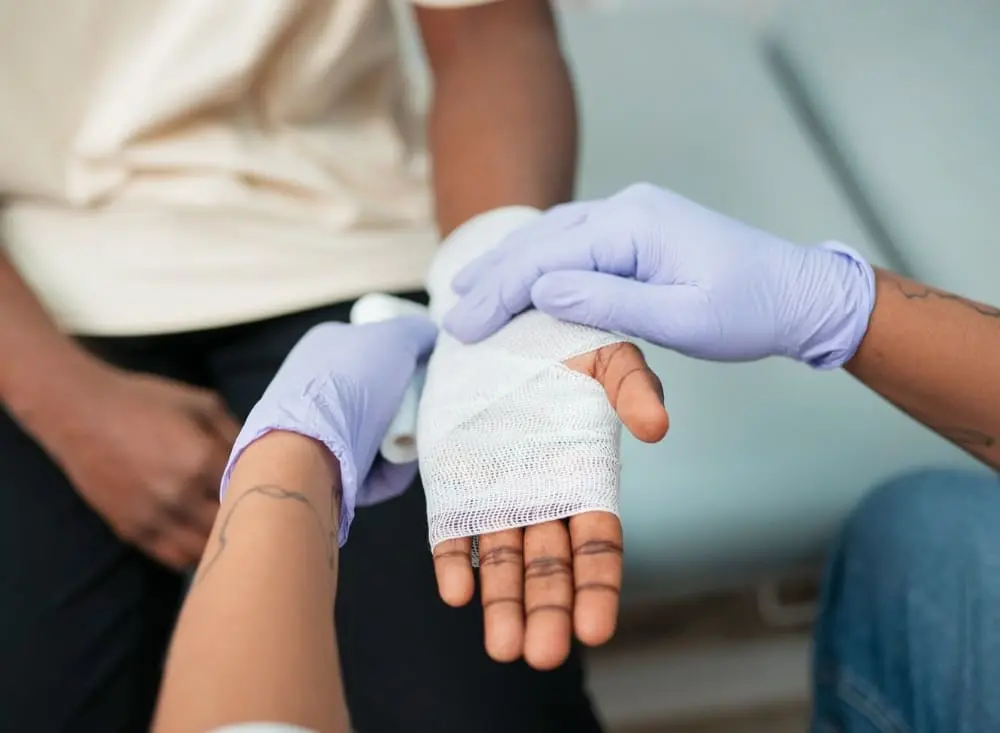
Different kinds of Wounds and How they need to be Addressed with NDIS. Wounds come in different types, each requiring specific care to ensure proper healing. With the support of the National Disability Insurance Scheme (NDIS), individuals with disabilities can receive tailored care for their unique needs. The NDIS helps manage a wide range of wounds, including cuts, abrasions, pressure sores, burns, and surgical wounds.
For instance, cuts and abrasions typically require cleaning, dressing, and monitoring for infection. NDIS-funded support can assist in providing proper wound care materials and regular visits from healthcare professionals to ensure they heal correctly. Pressure sores often affect individuals with limited mobility, requiring regular repositioning, moisture management, and specialized dressings. NDIS funding can cover the cost of equipment like pressure-relieving mattresses and the necessary nursing care.
Burns also require immediate attention and long-term care, such as dressing changes and physiotherapy to prevent scarring. For surgical wounds, post-operative care and monitoring are essential to ensure no complications arise. The NDIS provides support by covering medical treatments, rehabilitation, and any specialized care needed.
In conclusion, the NDIS is invaluable in helping individuals with disabilities address different kinds of wounds. By providing personalized care and necessary resources, it ensures effective treatment and better healing outcomes.
Social:
https://in.pinterest.com/pin/1042794488721274595/
https://x.com/a_i_care/status/1905184121779027989
https://www.linkedin.com/feed/update/urn:li:share:7310951532068249602/


Comments
Post a Comment